Clear medical summaries in language you understand
When cancer shows up, everything arrives at once. You shouldn't have to remember it all.
When cancer shows up, everything arrives at once. You shouldn't have to remember it all.
Clear medical summaries in language you understand
When cancer shows up, everything arrives at once. You shouldn't have to remember it all.
When cancer shows up, everything arrives at once. You shouldn't have to remember it all.
in partnership with

in partnership with
Used by
100,000 people
Rated with
4.7 on app Stores
Used by
100,000 people
Rated with
4.7 on app Stores
Clear medical summaries in language you understand
When cancer shows up, everything arrives at once. You shouldn't have to remember it all.
Endorsed by families
Endorsed by families
Care shouldn't depend on one person remembering everything.
No one has the full picture, not even the person it's about.
Much of what's said in the room is forgotten, even by the patient. And the people around them never had the full story to begin with.
Staying on top of things falls on the person who's ill.
Remembering every detail and relaying it to everyone lands on the one person who should be focusing on getting better.
The people who want to help, often can't.
They're ready to carry their share, but without the same picture, they can't step in. So it all stays with one person.
No one has the full picture, not even the person it's about.
Much of what's said in the room is forgotten, even by the patient. And the people around them never had the full story to begin with.
Staying on top of things falls on the person who's ill.
Remembering every detail and relaying it to everyone lands on the one person who should be focusing on getting better.
The people who want to help, often can't.
They're ready to carry their share, but without the same picture, they can't step in. So it all stays with one person.
It's impossible to remember it all
If I was told something in the hospital and I needed to remember five things, I would remember three of them, and then the two really important things may have gone over my head.

Tim Sadler
Parent
Simple and private.
I love that you can invite people, decide what's private and what's shared with everybody. I really love the way it's designed: it's really simple and very user friendly.

Helen
Parent
I sat in waiting rooms wanting there to be something like this.
There's an emotional burden removed by being able to share a really comprehensive summary. Ditto is really answering a need: the reduction in admin is huge!
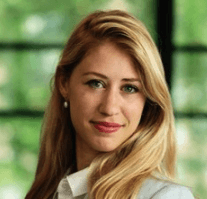
Krissy
Cancer patient and YLvC employee
I wish it had existed sooner...
The overwhelm is almost instantaneous. The challenge is having all this information in my head, and then sharing it out in different ways to different audiences. Ditto would have been amazing eleven years ago, when my son was diagnosed.

Sandra Vollrath
Parent
A record of my own
It helps to have autonomy in your own care, rather than just relying on the specialist’s 2-minute dictated summary notes that you often don't even see
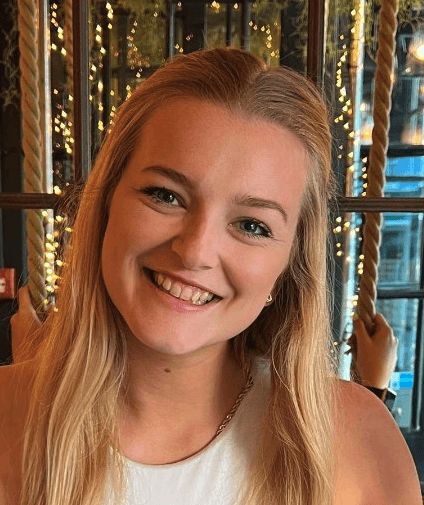
Nia
Diagnosed as a young person
It's impossible to remember it all
If I was told something in the hospital and I needed to remember five things, I would remember three of them, and then the two really important things may have gone over my head.
Tim Sadler
Parent
Simple and private.
I love that you can invite people, decide what's private and what's shared with everybody. I really love the way it's designed: it's really simple and very user friendly.
Helen
Parent
I sat in waiting rooms wanting there to be something like this.
There's an emotional burden removed by being able to share a really comprehensive summary. Ditto is really answering a need: the reduction in admin is huge!
Krissy
Cancer patient and YLvC employee
I wish it had existed sooner...
The overwhelm is almost instantaneous. The challenge is having all this information in my head, and then sharing it out in different ways to different audiences. Ditto would have been amazing eleven years ago, when my son was diagnosed.
Sandra Vollrath
Parent
A record of my own
It helps to have autonomy in your own care, rather than just relying on the specialist’s 2-minute dictated summary notes that you often don't even see
Nia
Diagnosed as a young person
It's impossible to remember it all
If I was told something in the hospital and I needed to remember five things, I would remember three of them, and then the two really important things may have gone over my head.
Tim Sadler
Parent
Simple and private.
I love that you can invite people, decide what's private and what's shared with everybody. I really love the way it's designed: it's really simple and very user friendly.
Helen
Parent
I sat in waiting rooms wanting there to be something like this.
There's an emotional burden removed by being able to share a really comprehensive summary. Ditto is really answering a need: the reduction in admin is huge!
Krissy
Cancer patient and YLvC employee
I wish it had existed sooner...
The overwhelm is almost instantaneous. The challenge is having all this information in my head, and then sharing it out in different ways to different audiences. Ditto would have been amazing eleven years ago, when my son was diagnosed.
Sandra Vollrath
Parent
A record of my own
It helps to have autonomy in your own care, rather than just relying on the specialist’s 2-minute dictated summary notes that you often don't even see
Nia
Diagnosed as a young person
It's impossible to remember it all
If I was told something in the hospital and I needed to remember five things, I would remember three of them, and then the two really important things may have gone over my head.
Tim Sadler
Parent
Simple and private.
I love that you can invite people, decide what's private and what's shared with everybody. I really love the way it's designed: it's really simple and very user friendly.
Helen
Parent
I sat in waiting rooms wanting there to be something like this.
There's an emotional burden removed by being able to share a really comprehensive summary. Ditto is really answering a need: the reduction in admin is huge!
Krissy
Cancer patient and YLvC employee
I wish it had existed sooner...
The overwhelm is almost instantaneous. The challenge is having all this information in my head, and then sharing it out in different ways to different audiences. Ditto would have been amazing eleven years ago, when my son was diagnosed.
Sandra Vollrath
Parent
A record of my own
It helps to have autonomy in your own care, rather than just relying on the specialist’s 2-minute dictated summary notes that you often don't even see
Nia
Diagnosed as a young person
It's impossible to remember it all
If I was told something in the hospital and I needed to remember five things, I would remember three of them, and then the two really important things may have gone over my head.
Tim Sadler
Parent
Simple and private.
I love that you can invite people, decide what's private and what's shared with everybody. I really love the way it's designed: it's really simple and very user friendly.
Helen
Parent
I sat in waiting rooms wanting there to be something like this.
There's an emotional burden removed by being able to share a really comprehensive summary. Ditto is really answering a need: the reduction in admin is huge!
Krissy
Cancer patient and YLvC employee
I wish it had existed sooner...
The overwhelm is almost instantaneous. The challenge is having all this information in my head, and then sharing it out in different ways to different audiences. Ditto would have been amazing eleven years ago, when my son was diagnosed.
Sandra Vollrath
Parent
A record of my own
It helps to have autonomy in your own care, rather than just relying on the specialist’s 2-minute dictated summary notes that you often don't even see
Nia
Diagnosed as a young person
It's impossible to remember it all
If I was told something in the hospital and I needed to remember five things, I would remember three of them, and then the two really important things may have gone over my head.
Tim Sadler
Parent
Simple and private.
I love that you can invite people, decide what's private and what's shared with everybody. I really love the way it's designed: it's really simple and very user friendly.
Helen
Parent
I sat in waiting rooms wanting there to be something like this.
There's an emotional burden removed by being able to share a really comprehensive summary. Ditto is really answering a need: the reduction in admin is huge!
Krissy
Cancer patient and YLvC employee
I wish it had existed sooner...
The overwhelm is almost instantaneous. The challenge is having all this information in my head, and then sharing it out in different ways to different audiences. Ditto would have been amazing eleven years ago, when my son was diagnosed.
Sandra Vollrath
Parent
A record of my own
It helps to have autonomy in your own care, rather than just relying on the specialist’s 2-minute dictated summary notes that you often don't even see
Nia
Diagnosed as a young person
It's impossible to remember it all
If I was told something in the hospital and I needed to remember five things, I would remember three of them, and then the two really important things may have gone over my head.
Tim Sadler
Parent
Simple and private.
I love that you can invite people, decide what's private and what's shared with everybody. I really love the way it's designed: it's really simple and very user friendly.
Helen
Parent
I sat in waiting rooms wanting there to be something like this.
There's an emotional burden removed by being able to share a really comprehensive summary. Ditto is really answering a need: the reduction in admin is huge!
Krissy
Cancer patient and YLvC employee
I wish it had existed sooner...
The overwhelm is almost instantaneous. The challenge is having all this information in my head, and then sharing it out in different ways to different audiences. Ditto would have been amazing eleven years ago, when my son was diagnosed.
Sandra Vollrath
Parent
A record of my own
It helps to have autonomy in your own care, rather than just relying on the specialist’s 2-minute dictated summary notes that you often don't even see
Nia
Diagnosed as a young person
It's impossible to remember it all
If I was told something in the hospital and I needed to remember five things, I would remember three of them, and then the two really important things may have gone over my head.
Tim Sadler
Parent
Simple and private.
I love that you can invite people, decide what's private and what's shared with everybody. I really love the way it's designed: it's really simple and very user friendly.
Helen
Parent
I sat in waiting rooms wanting there to be something like this.
There's an emotional burden removed by being able to share a really comprehensive summary. Ditto is really answering a need: the reduction in admin is huge!
Krissy
Cancer patient and YLvC employee
I wish it had existed sooner...
The overwhelm is almost instantaneous. The challenge is having all this information in my head, and then sharing it out in different ways to different audiences. Ditto would have been amazing eleven years ago, when my son was diagnosed.
Sandra Vollrath
Parent
A record of my own
It helps to have autonomy in your own care, rather than just relying on the specialist’s 2-minute dictated summary notes that you often don't even see
Nia
Diagnosed as a young person
It's impossible to remember it all
If I was told something in the hospital and I needed to remember five things, I would remember three of them, and then the two really important things may have gone over my head.
Tim Sadler
Parent
Simple and private.
I love that you can invite people, decide what's private and what's shared with everybody. I really love the way it's designed: it's really simple and very user friendly.
Helen
Parent
I sat in waiting rooms wanting there to be something like this.
There's an emotional burden removed by being able to share a really comprehensive summary. Ditto is really answering a need: the reduction in admin is huge!
Krissy
Cancer patient and YLvC employee
I wish it had existed sooner...
The overwhelm is almost instantaneous. The challenge is having all this information in my head, and then sharing it out in different ways to different audiences. Ditto would have been amazing eleven years ago, when my son was diagnosed.
Sandra Vollrath
Parent
A record of my own
It helps to have autonomy in your own care, rather than just relying on the specialist’s 2-minute dictated summary notes that you often don't even see
Nia
Diagnosed as a young person
It's impossible to remember it all
If I was told something in the hospital and I needed to remember five things, I would remember three of them, and then the two really important things may have gone over my head.
Tim Sadler
Parent
Simple and private.
I love that you can invite people, decide what's private and what's shared with everybody. I really love the way it's designed: it's really simple and very user friendly.
Helen
Parent
I sat in waiting rooms wanting there to be something like this.
There's an emotional burden removed by being able to share a really comprehensive summary. Ditto is really answering a need: the reduction in admin is huge!
Krissy
Cancer patient and YLvC employee
I wish it had existed sooner...
The overwhelm is almost instantaneous. The challenge is having all this information in my head, and then sharing it out in different ways to different audiences. Ditto would have been amazing eleven years ago, when my son was diagnosed.
Sandra Vollrath
Parent
A record of my own
It helps to have autonomy in your own care, rather than just relying on the specialist’s 2-minute dictated summary notes that you often don't even see
Nia
Diagnosed as a young person
It's impossible to remember it all
If I was told something in the hospital and I needed to remember five things, I would remember three of them, and then the two really important things may have gone over my head.
Tim Sadler
Parent
Simple and private.
I love that you can invite people, decide what's private and what's shared with everybody. I really love the way it's designed: it's really simple and very user friendly.
Helen
Parent
I sat in waiting rooms wanting there to be something like this.
There's an emotional burden removed by being able to share a really comprehensive summary. Ditto is really answering a need: the reduction in admin is huge!
Krissy
Cancer patient and YLvC employee
I wish it had existed sooner...
The overwhelm is almost instantaneous. The challenge is having all this information in my head, and then sharing it out in different ways to different audiences. Ditto would have been amazing eleven years ago, when my son was diagnosed.
Sandra Vollrath
Parent
A record of my own
It helps to have autonomy in your own care, rather than just relying on the specialist’s 2-minute dictated summary notes that you often don't even see
Nia
Diagnosed as a young person
It's impossible to remember it all
If I was told something in the hospital and I needed to remember five things, I would remember three of them, and then the two really important things may have gone over my head.
Tim Sadler
Parent
Simple and private.
I love that you can invite people, decide what's private and what's shared with everybody. I really love the way it's designed: it's really simple and very user friendly.
Helen
Parent
I sat in waiting rooms wanting there to be something like this.
There's an emotional burden removed by being able to share a really comprehensive summary. Ditto is really answering a need: the reduction in admin is huge!
Krissy
Cancer patient and YLvC employee
I wish it had existed sooner...
The overwhelm is almost instantaneous. The challenge is having all this information in my head, and then sharing it out in different ways to different audiences. Ditto would have been amazing eleven years ago, when my son was diagnosed.
Sandra Vollrath
Parent
A record of my own
It helps to have autonomy in your own care, rather than just relying on the specialist’s 2-minute dictated summary notes that you often don't even see
Nia
Diagnosed as a young person
Used by
100,000 people
Rated with
4.7 on app stores

Everything in one place, Everyone in the loop.
Everything in one place,
Everyone in the loop
Every consultation captured, clarified, and shared with the people who need to know.
Summarise any medical appointment
Every word from your consultation, waiting for you when you're ready. Listen back, reread, and never lose an important detail again.
Prepare for what's next
Ditto suggests questions for your next visit based on what was discussed. You show up ready, your doctor notices.
Invite those who matter
Invite the people who matter. They see your summaries, follow your journey, and can actually help. Instead of asking "how did it go?" and getting a half-remembered answer.


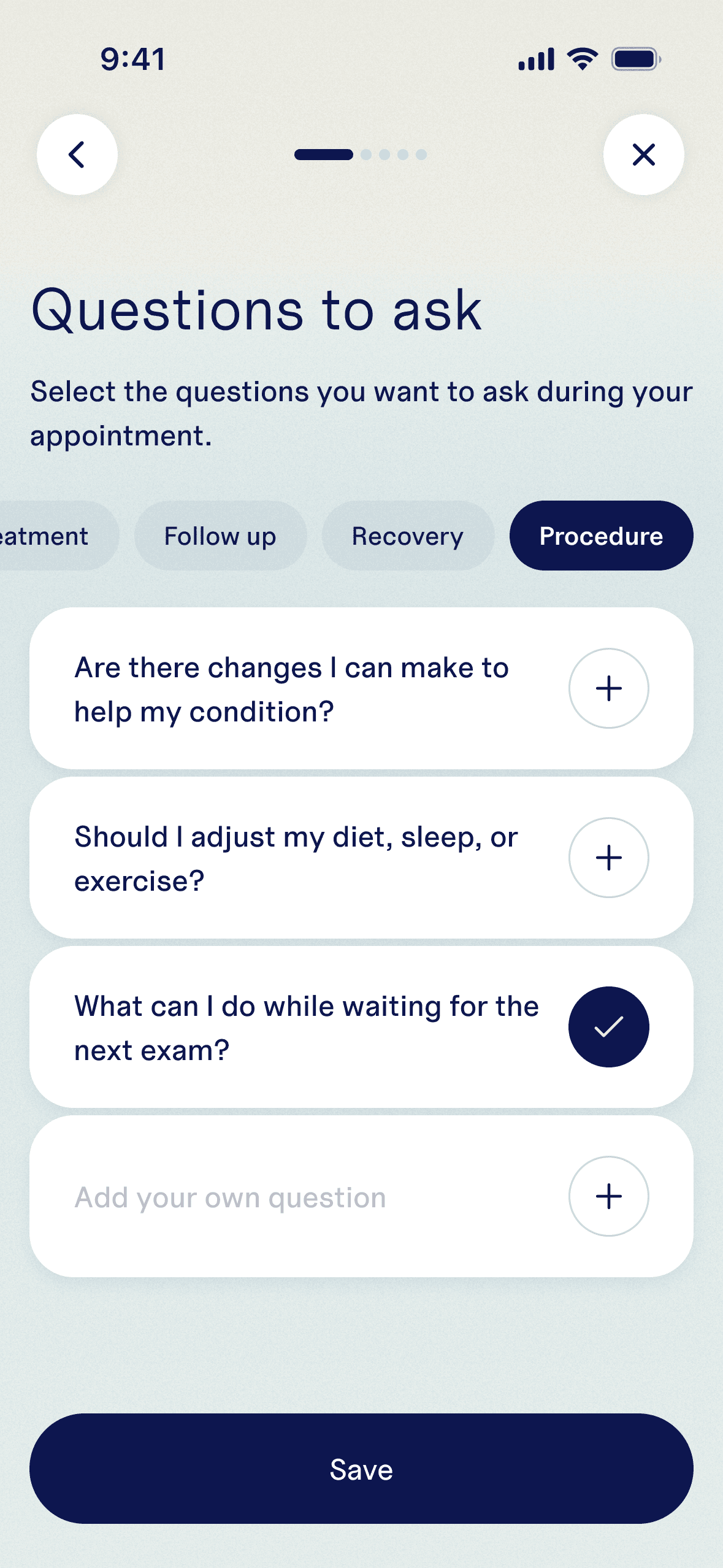

Summarise any medical appointment
Every word from your consultation, waiting for you when you're ready. Listen back, reread, and never lose an important detail again.

Care shouldn't depend on one person remembering everything.
No one has the full picture, not even the person it's about.
Much of what's said in the room is forgotten, even by the patient. And the people around them never had the full story to begin with.
Staying on top of things falls on the person who's ill.
Remembering every detail and relaying it to everyone lands on the one person who should be focusing on getting better.
The people who want to help, often can't.
They're ready to carry their share, but without the same picture, they can't step in. So it all stays with one person.
No one has the full picture, not even the person it's about.
Much of what's said in the room is forgotten, even by the patient. And the people around them never had the full story to begin with.
Staying on top of things falls on the person who's ill.
Remembering every detail and relaying it to everyone lands on the one person who should be focusing on getting better.
The people who want to help, often can't.
They're ready to carry their share, but without the same picture, they can't step in. So it all stays with one person.
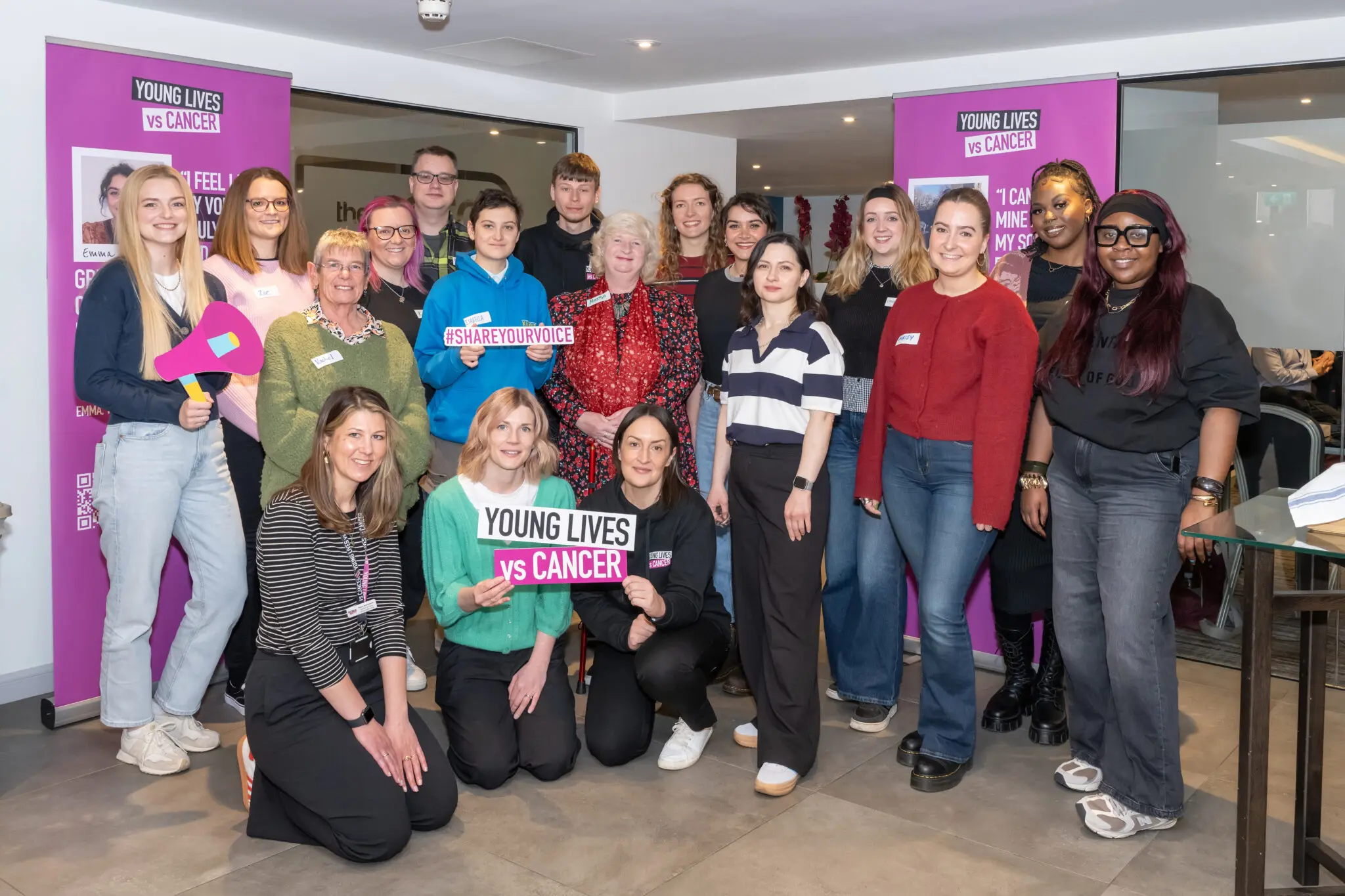
Built with young people and families
Built with young people and families
Ditto is working with Young Lives vs Cancer to help children and young people with cancer, and their families, hold on to what they're told about their care.
Discover how the Ditto app was rebuilt around what Young Lives vs Cancer families said they needed.
Ditto is working with Young Lives vs Cancer to help children and young people with cancer, and their families, hold on to what they're told about their care.
Discover how the Ditto app was rebuilt around what Young Lives vs Cancer families said they needed.

Signposting to CCLG trusted information
Signposting to CCLG trusted information
A cancer diagnosis brings a flood of questions, and not always at a time when there's a clinician in the room to answer them.
Through our partnership with CCLG, Ditto now signposts families to trusted, expert-reviewed information exactly when it's relevant.
A cancer diagnosis brings a flood of questions, and not always at a time when there's a clinician in the room to answer them.
Through our partnership with CCLG, Ditto now signposts families to trusted, expert-reviewed information exactly when it's relevant.
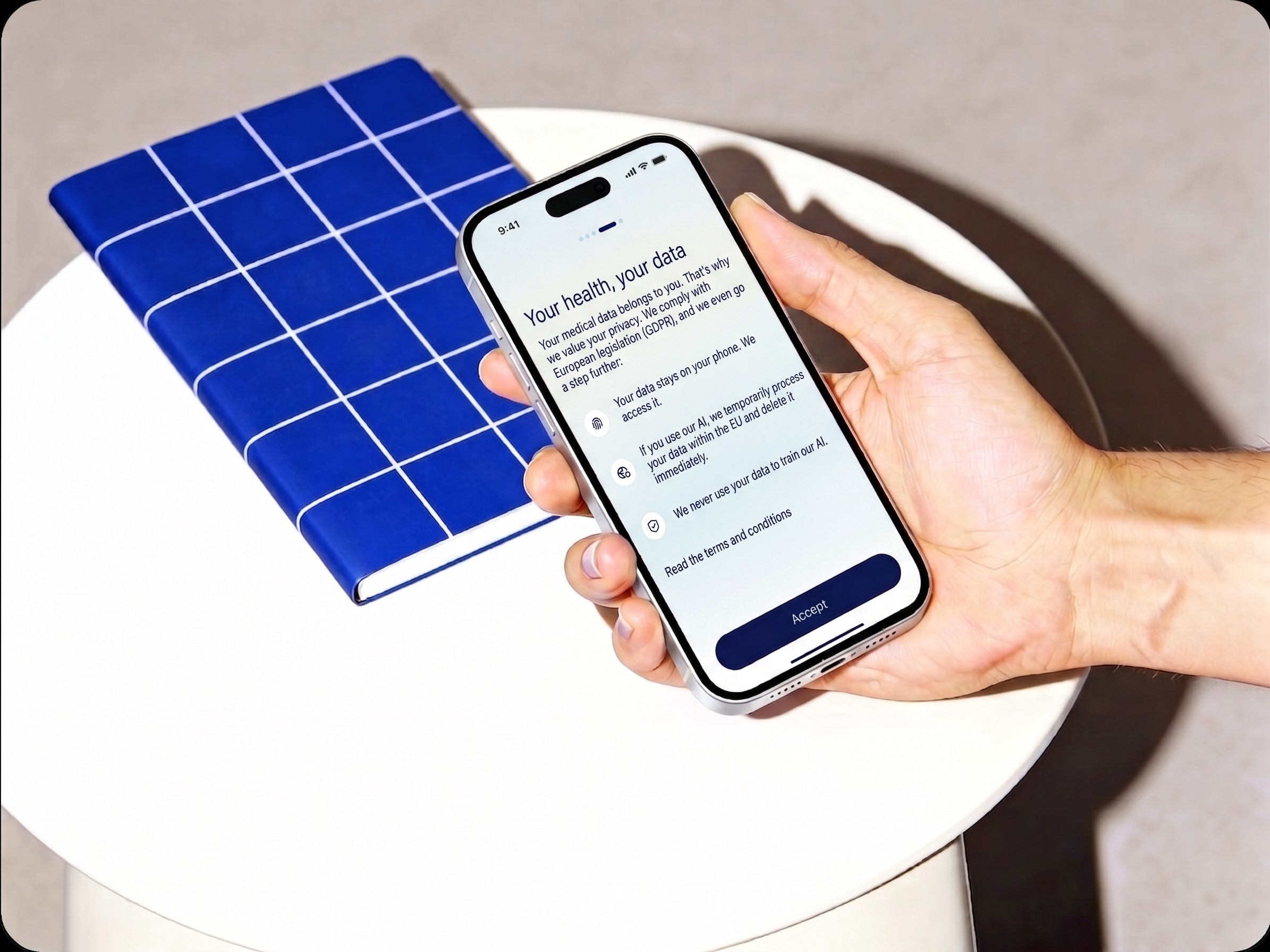
Private by design. Shared by choice.
Private by design. Shared by choice.
Your health information always stays private and encrypted, and you decide exactly what you share with loved ones.
Our AI turns medical jargon into plain language without ever training on your data. Everything runs on European servers and is fully GDPR compliant.
Your health information always stays private and encrypted, and you decide exactly what you share with loved ones.
Our AI turns medical jargon into plain language without ever training on your data. Everything runs on European servers and is fully GDPR compliant.
More about Ditto
Answers to common questions about Ditto.

During an appointment, you ask whether you can record the conversation. Afterward, Ditto creates a clear summary you can revisit. You can also take photos of medical letters to get easy-to-understand explanations.
Use Ditto before, during, and after appointments, especially when you want to remember details, understand medical language, or share information with people you trust.
Yes. Ditto is currently available for free to download and use.
Under UK law you can record your own consultation for personal use. The British Medical Association and the Medical Defence Union actively encourage doctors to support patients who want to record. You don’t have to ask permission, but a quick word at the start is courteous: most doctors will smile and say yes.
You can securely share your summaries via Ditto Loved Ones directly within Ditto. This uses end-to-end encryption. You can also use messaging apps. You decide what to share and with whom.
Your data is stored securely and only on your device. You stay in control of your information.
No. There is no clinician dashboard, and nothing is written back into your medical record. Your social worker cannot see your recordings or summaries. Nobody sees anything unless you choose to share it with them.
It helps to say why: that you want to remember the plan properly and share it with your family, not scrutinise anyone. In our experience that settles it almost every time. The right is yours either way. And it’s worth knowing that many clinicians already record consultations themselves using AI scribes, for exactly the same reason — a conversation this important is too much for one person to hold in their head. A few ways to ask “Would you mind if I recorded this? There’s a lot to take in, and I’d rather listen properly now than call back next week because I’ve forgotten half of it.” “Is it okay if I record this? I’ll need to explain it properly to my partner or parents later, and I’d rather get it right than pass on something half-remembered.” “Would you mind if I recorded this? I sometimes come away unsure exactly what was said, and it’d help me not misquote you when sharing this information along.”
No, and it is built specifically not to. Ditto does not diagnose, treat, monitor or support clinical decisions. It is not a medical device. It is closer to an information leaflet about your own appointment. Everything in your summary came out of someone’s mouth in that room. Ditto carries your clinician’s words further; it never substitutes its own.
During an appointment, you ask whether you can record the conversation. Afterward, Ditto creates a clear summary you can revisit. You can also take photos of medical letters to get easy-to-understand explanations.
Use Ditto before, during, and after appointments, especially when you want to remember details, understand medical language, or share information with people you trust.
Yes. Ditto is currently available for free to download and use.
Under UK law you can record your own consultation for personal use. The British Medical Association and the Medical Defence Union actively encourage doctors to support patients who want to record. You don’t have to ask permission, but a quick word at the start is courteous: most doctors will smile and say yes.
You can securely share your summaries via Ditto Loved Ones directly within Ditto. This uses end-to-end encryption. You can also use messaging apps. You decide what to share and with whom.
Your data is stored securely and only on your device. You stay in control of your information.
No. There is no clinician dashboard, and nothing is written back into your medical record. Your social worker cannot see your recordings or summaries. Nobody sees anything unless you choose to share it with them.
It helps to say why: that you want to remember the plan properly and share it with your family, not scrutinise anyone. In our experience that settles it almost every time. The right is yours either way. And it’s worth knowing that many clinicians already record consultations themselves using AI scribes, for exactly the same reason — a conversation this important is too much for one person to hold in their head. A few ways to ask “Would you mind if I recorded this? There’s a lot to take in, and I’d rather listen properly now than call back next week because I’ve forgotten half of it.” “Is it okay if I record this? I’ll need to explain it properly to my partner or parents later, and I’d rather get it right than pass on something half-remembered.” “Would you mind if I recorded this? I sometimes come away unsure exactly what was said, and it’d help me not misquote you when sharing this information along.”
No, and it is built specifically not to. Ditto does not diagnose, treat, monitor or support clinical decisions. It is not a medical device. It is closer to an information leaflet about your own appointment. Everything in your summary came out of someone’s mouth in that room. Ditto carries your clinician’s words further; it never substitutes its own.
More about Ditto
Answers to common questions about Ditto.
During an appointment, you ask whether you can record the conversation. Afterward, Ditto creates a clear summary you can revisit. You can also take photos of medical letters to get easy-to-understand explanations.
Use Ditto before, during, and after appointments, especially when you want to remember details, understand medical language, or share information with people you trust.
Yes. Ditto is currently available for free to download and use.
Under UK law you can record your own consultation for personal use. The British Medical Association and the Medical Defence Union actively encourage doctors to support patients who want to record. You don’t have to ask permission, but a quick word at the start is courteous: most doctors will smile and say yes.
You can securely share your summaries via Ditto Loved Ones directly within Ditto. This uses end-to-end encryption. You can also use messaging apps. You decide what to share and with whom.
Your data is stored securely and only on your device. You stay in control of your information.
No. There is no clinician dashboard, and nothing is written back into your medical record. Your social worker cannot see your recordings or summaries. Nobody sees anything unless you choose to share it with them.
It helps to say why: that you want to remember the plan properly and share it with your family, not scrutinise anyone. In our experience that settles it almost every time. The right is yours either way. And it’s worth knowing that many clinicians already record consultations themselves using AI scribes, for exactly the same reason — a conversation this important is too much for one person to hold in their head. A few ways to ask “Would you mind if I recorded this? There’s a lot to take in, and I’d rather listen properly now than call back next week because I’ve forgotten half of it.” “Is it okay if I record this? I’ll need to explain it properly to my partner or parents later, and I’d rather get it right than pass on something half-remembered.” “Would you mind if I recorded this? I sometimes come away unsure exactly what was said, and it’d help me not misquote you when sharing this information along.”
No, and it is built specifically not to. Ditto does not diagnose, treat, monitor or support clinical decisions. It is not a medical device. It is closer to an information leaflet about your own appointment. Everything in your summary came out of someone’s mouth in that room. Ditto carries your clinician’s words further; it never substitutes its own.
More about Ditto
Answers to common questions about Ditto.
During an appointment, you ask whether you can record the conversation. Afterward, Ditto creates a clear summary you can revisit. You can also take photos of medical letters to get easy-to-understand explanations.
Use Ditto before, during, and after appointments, especially when you want to remember details, understand medical language, or share information with people you trust.
Yes. Ditto is currently available for free to download and use.
Under UK law you can record your own consultation for personal use. The British Medical Association and the Medical Defence Union actively encourage doctors to support patients who want to record. You don’t have to ask permission, but a quick word at the start is courteous: most doctors will smile and say yes.
You can securely share your summaries via Ditto Loved Ones directly within Ditto. This uses end-to-end encryption. You can also use messaging apps. You decide what to share and with whom.
Your data is stored securely and only on your device. You stay in control of your information.
No. There is no clinician dashboard, and nothing is written back into your medical record. Your social worker cannot see your recordings or summaries. Nobody sees anything unless you choose to share it with them.
It helps to say why: that you want to remember the plan properly and share it with your family, not scrutinise anyone. In our experience that settles it almost every time. The right is yours either way. And it’s worth knowing that many clinicians already record consultations themselves using AI scribes, for exactly the same reason — a conversation this important is too much for one person to hold in their head. A few ways to ask “Would you mind if I recorded this? There’s a lot to take in, and I’d rather listen properly now than call back next week because I’ve forgotten half of it.” “Is it okay if I record this? I’ll need to explain it properly to my partner or parents later, and I’d rather get it right than pass on something half-remembered.” “Would you mind if I recorded this? I sometimes come away unsure exactly what was said, and it’d help me not misquote you when sharing this information along.”
No, and it is built specifically not to. Ditto does not diagnose, treat, monitor or support clinical decisions. It is not a medical device. It is closer to an information leaflet about your own appointment. Everything in your summary came out of someone’s mouth in that room. Ditto carries your clinician’s words further; it never substitutes its own.